
No durable memory
Without files and layered memory, every session starts too close to zero.
AI Agents Academy teaches practical AI Operator Systems for OpenClaw: memory, Mission Control, project files, reset recovery, templates, and clear human-led operating boundaries. Start with the Starter Kit; upgrade later only when you need depth or guided setup.
They forget decisions, lose priorities, split projects across chats, and cannot recover cleanly after resets. AI Operator Playbook fixes that with a clearer workflow architecture, memory, and Mission Control.
Without files and layered memory, every session starts too close to zero.
Without a control layer, priorities drift and projects lose continuity.
Without clear boundaries and approvals, AI work becomes inconsistent, risky, or hard to trust.
The framework is intentionally file-based, human-led, and tool-aware. It gives your assistant a place to remember, a way to prioritize, and rules for when to act or ask.
The public structure is now simpler for cold traffic: AI Agents Academy is the brand, AI Operator System is the method, and the Starter Kit is the first product.
Until there are enough real customer results, the proof is proof-of-work: the exact kinds of files, memory layers, Mission Control boards, approval rules, and reset tests used to make Rika operate with continuity.
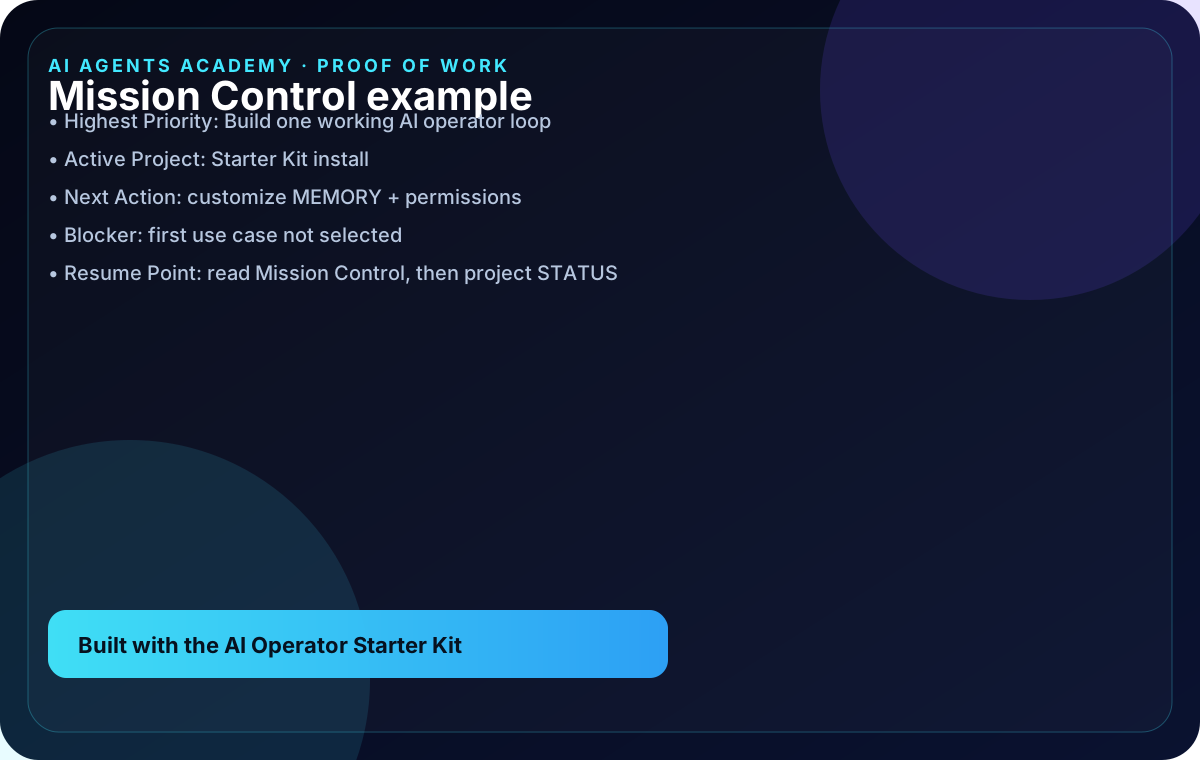
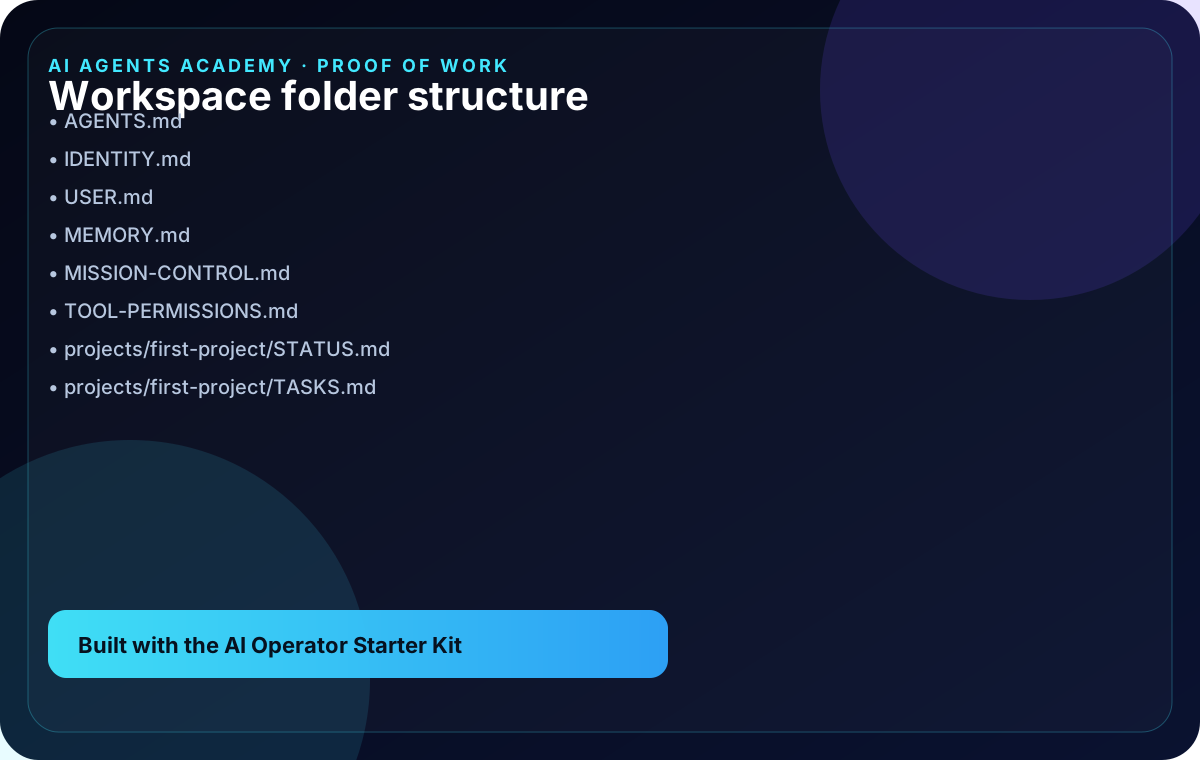
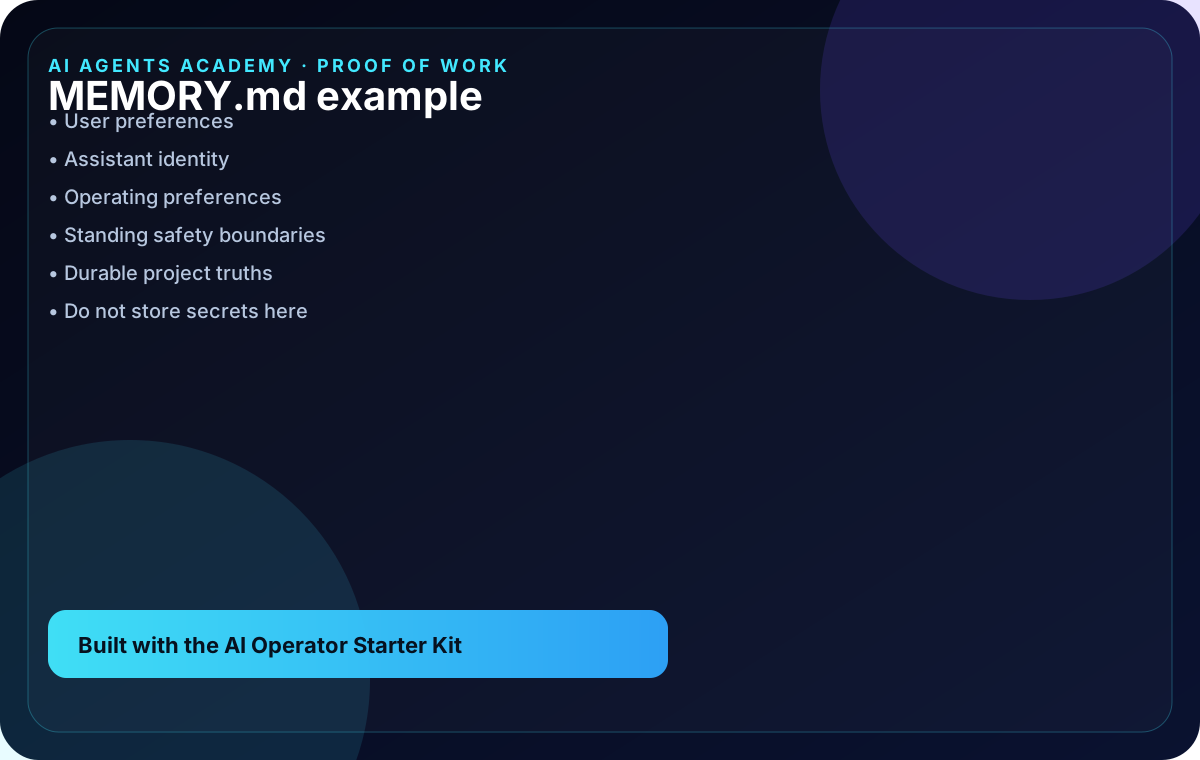
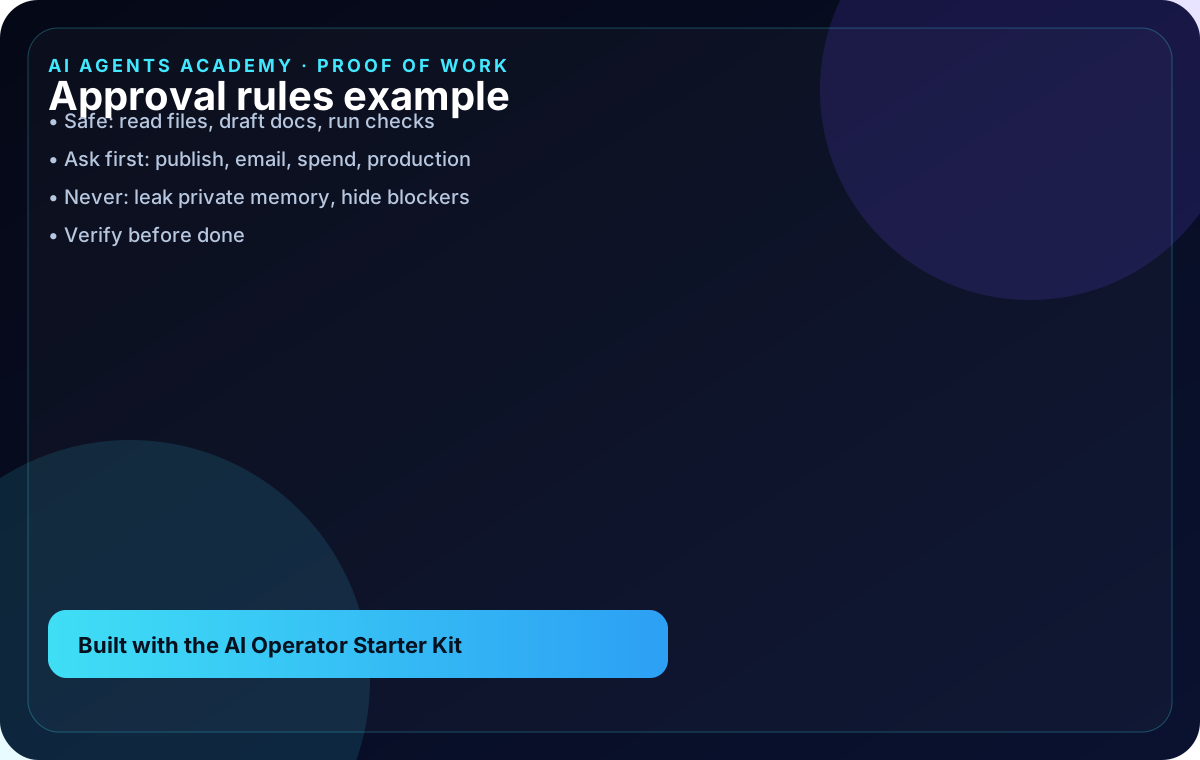

For cold traffic, the primary offer is the Starter Kit. The Playbook and Foundation Setup are next steps after the buyer understands the operating system.
A beginner-friendly guide and template pack for organizing your first AI workflow system with memory, Mission Control, and safe operating rules.
The practical guide for building memory, identity, tools, Mission Control, workflow continuity, and safe operating rules into your AI assistant workflow.
Implementation support for users who want help installing the core workflow structure correctly, with intake, onboarding, and a guided setup path.
AI Operator Playbook gives you a structured way to build useful, reliable, bounded AI workflows inside OpenClaw and similar setups.
| Without structure | With AI Operator Playbook |
|---|---|
| Scattered chats and weak continuity | Files, memory, and Mission Control |
| Generic assistant behavior | Identity, memory, and operating rules |
| Weak trust around AI work | Safe operating rules and clearer permissions |
| No clear learning path | Guides, templates, onboarding, and guided setup support |
| Rush into implementation | Brainstorming and written planning before bigger changes |
| Guess during failures | Systematic debugging and verification before completion |
This is not just a template bundle. It teaches and applies a stronger method for serious work: clarify first, plan before implementation, debug systematically, and verify before calling work complete.
Use structured brainstorming before meaningful changes so requirements, scope, and trade-offs are clearer.
Use written plans and disciplined implementation flows instead of improvising every major step.
Use systematic debugging and proof-based completion so the operator becomes more reliable.

Start with these practical resources if you are comparing OpenClaw workflows, assistant memory, Mission Control, or safe AI operating rules.
These pages target higher-intent searches from founders, agencies, small businesses, Telegram users, and operators comparing safer AI workflow systems.
Short answers for buyers who want the outcome without guessing what the framework does.
No. AI Operator Playbook is an independent human-led educational and implementation framework for people using OpenClaw or similar assistant setups.
The Starter Kit is beginner-friendly. The Playbook goes deeper into operating doctrine. Foundation Setup is for buyers who want guided support with the setup path.
It helps stop the repeated-prompt cycle by giving your assistant durable memory, project structure, Mission Control, and clear rules for safe action.
No. The framework is human-led by design. It improves continuity and execution while keeping boundaries, approvals, and privacy clear.
Digital products deliver instantly. Foundation Setup routes through onboarding and guided implementation so the buyer gets a real path, not just a payment confirmation. Some setup support may be assisted by Rika with human oversight.



AI Operator Playbook is designed for founders, operators, and teams who want more than prompts: a clearer way to learn, structure, and operate AI work with human judgment behind every step.